Gladio Mori Organ-Based Damage System
How muscles, arteries, and vitals end fights when health bars do not exist.
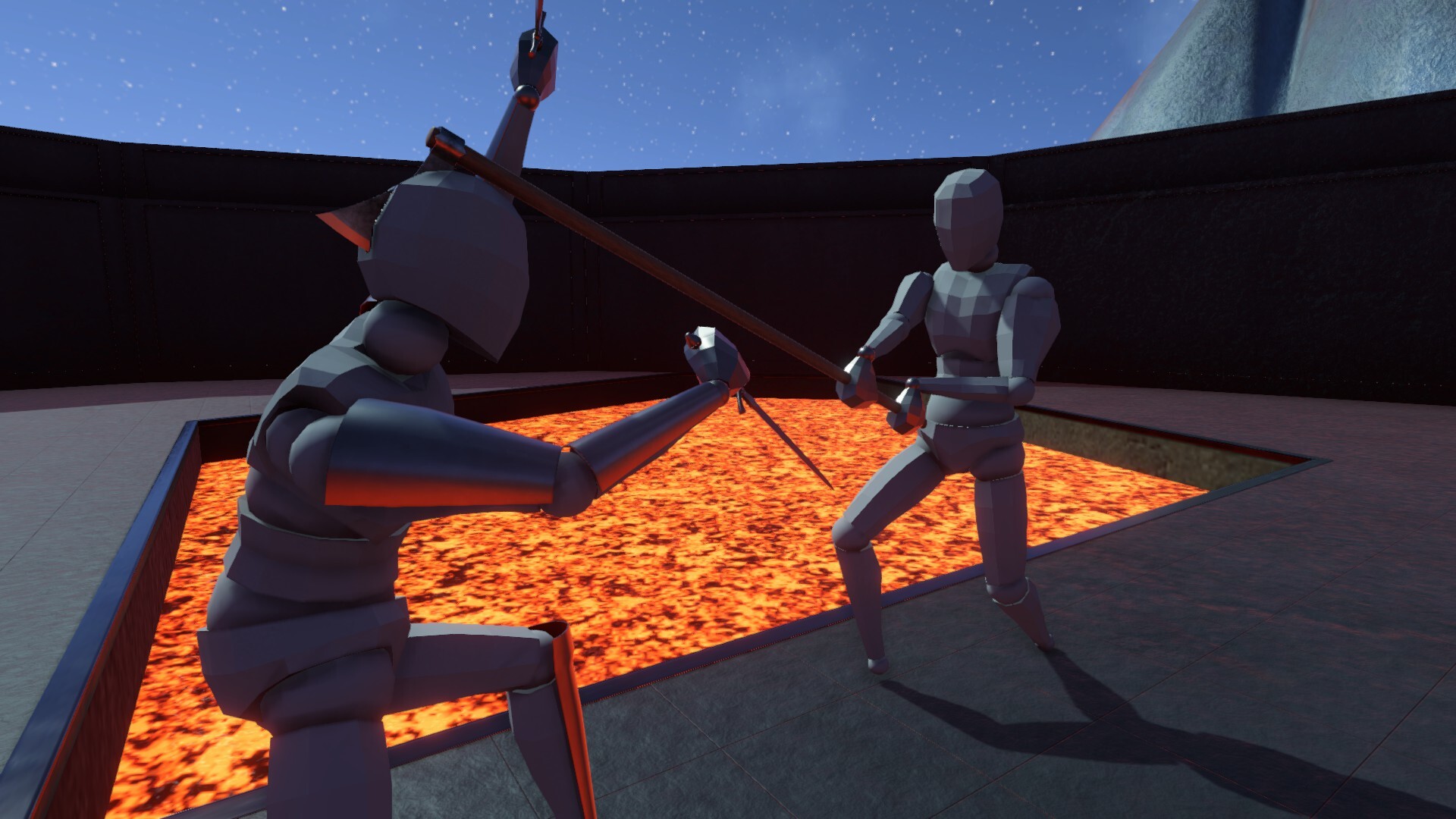
Gladio Mori’s combat identity is simple to say and hard to master: there are no health bars. Fights resolve through an organ-based model where injured muscles weaken strikes and limbs, severed arteries force bleed-outs, and pierced vitals can mean instant death. Dismemberment of hands, arms, and legs permanently changes the duel. This guide unpacks how to think with that model in 1.0 on Steam, PS5, and Xbox Series X|S.
For a quick lookup while you play, keep the damage reference open. For day-one context, see Getting Started.
Why the model feels different
Most fighters ask, “How much HP is left?—?Gladio Mori asks, “What still works?—?A shallow cut on a covered plate may do nothing meaningful. A precise edge along an unprotected joint can end mobility. Bladed weapons excel at opening arteries and removing limbs; blunt trauma and unarmed options still matter, but the fantasy is medieval physics violence, not equal chip damage.
Weapon edges matter geometrically. The game has iterated toward damage defined along blade lines rather than oversized box colliders, so where the steel travels through the body is the skill expression. Replays with timeline scrubbing and free camera exist so you can verify whether a “clean hit—?actually crossed a vital structure.
Muscles —?weaken before you finish
Damaging muscles reduces the effectiveness of the affected limb. Expect weaker swings, poorer control, and compromised follow-ups. Strategically, muscle damage is how you disable an opponent who is still alive: soften the weapon arm, then pressure the newly unreliable defense.
Practical habits:
- Target the limb that holds the threat weapon first when a kill shot is not available
- Do not ignore your own muscle state—tired, damaged arms whiff and overcommit
- After you land a deep muscle hit, force exchanges that demand fine control from that limb
Arteries —?the bleed clock
Severed arteries create a bleed-out condition. The fight becomes a race: can they finish you before they empty out, or can you stall and survive? Bleed rewards players who cut and then manage distance instead of greedily trading into a desperate opponent’s last swing.
When you are bleeding:
- Simplify your plan; wild Creative animations are riskier under a timer
- Use arena geometry among the six maps to break line and force resets
- Remember dismemberment and vitals still end you faster than the bleed if you panic
When they are bleeding:
- Prefer safe probes over fifty-fifty hero swaps
- Watch for all-in lunges; punish the panic, do not mirror it
Vitals —?instant endings
Piercing vitals (including critical structures such as the brain and other organs called out by the design) can end the match immediately. This is why Gladio Mori highlight clips look like sudden executions. Vitals reward precision timing and openings created by prior limb damage or armor gaps.
Do not tunnel solely on vitals if you cannot reach them. Soften coverage, create a stumble, then commit.
Dismemberment —?the fight changes shape
Losing a hand, arm, or leg is not cosmetic. Reach, balance, weapon options, and available moveset branches collapse. A one-armed fighter with a heavy weapon may still kill you—but their toolkit shrinks. Conversely, if you remove their mobility, your job becomes zone control and bleed management.
Train yourself to notice missing limbs in the first half-second after a cut. Many losses happen because players keep executing a moveset branch that required the severed arm.
Armor is coverage, not a second HP pool
About 17 armor pieces equip onto specific body regions. Plate that covers the torso does not save an exposed thigh. Historically inspired proportions matter: blades should not cheerfully ignore proper plate. Build loadouts that cover the lines you personally get hit on most, then test them in Campaign before multiplayer.
Shields (three in the base roster sense) and weapon choice among ~34 arms plus unarmed change how you create those lines. Pair armor thinking with the tier list hub when you care about meta popularity, but always verify coverage with your own replays.
Offense checklist
- Probe for uncovered regions
- Damage muscles to reduce their counter quality
- Open arteries when you can leave them on a timer
- Convert to vitals or dismemberment when the opening is real
- Stop greed once you are ahead on the body map
Defense checklist
- Keep armored planes toward their edge when possible
- Refuse trades that exchange your artery for their muscle tick
- After you lose a limb, drop fancy branches and survive
- Use block and spacing from your controls layout under stress
- Review deaths in replay—name the structure that failed
Modes and how damage reading changes
- Campaign Easy/Normal/Hard —?best classroom for reading hits without lobby noise
- Classic multiplayer —?stock movesets; purest read on the damage model
- Creative / Limitless —?custom animations and boosted strength (Limitless) can create wild angles; the organ rules still apply
Custom moves from the move editor do not rewrite anatomy. A stylish spin that presents your neck still presents your neck.
Common misconceptions
- “I hit them more times, so I should win.—?Count structures, not swings.
- “Armor means I can trade freely.—?Only where it covers.
- “Bleed means I already won.—?Not if they pierce a vital first.
- “Blunt is useless.—?It has a role, but the fantasy and tuning heavily respect edged trajectories—learn both.
Practice plan
Spend two Campaign sessions narrating aloud: “muscle,—?“bleed,—?“vital,—?“missed plate.—?Then play Classic lobbies and force yourself to win one round primarily off bleed management and one off a clean vital. Use mods only after stock reads are solid (mods guide).
Official discussion and clip breakdowns often land in the Discord. Bring timestamps from your replays.
Master the organ map and Gladio Mori becomes a tactical physics duel instead of a coin-flip ragdoll show. Ignore it and every loss will feel random—even when it was not.
Frequently Asked Questions
Quick answers to the most common Gladio Mori questions.
Does Gladio Mori have health bars?
No. Outcomes come from muscle damage, artery bleed-out, vital pierces, and dismemberment rather than a numeric HP bar.
What does muscle damage do?
Injured muscles weaken the affected limb and your strikes, making follow-ups and defense less reliable even if you are still alive.
How does armor work?
Each piece protects only the body region it physically covers. Uncovered joints and limbs remain fully vulnerable.
Where can I get a quick damage cheat sheet?
Use the damage reference tool page on this wiki for fast reminders while deeper strategy stays on this guide.
Do custom movesets change the damage rules?
No. Creative animations change how you present angles, but muscles, arteries, vitals, and armor coverage still decide the fight.