Gladio Mori Weapons Tier List
S/A/B/C rankings for polearms, swords, blunt tools, shields, and unarmed after the 1.0 launch.
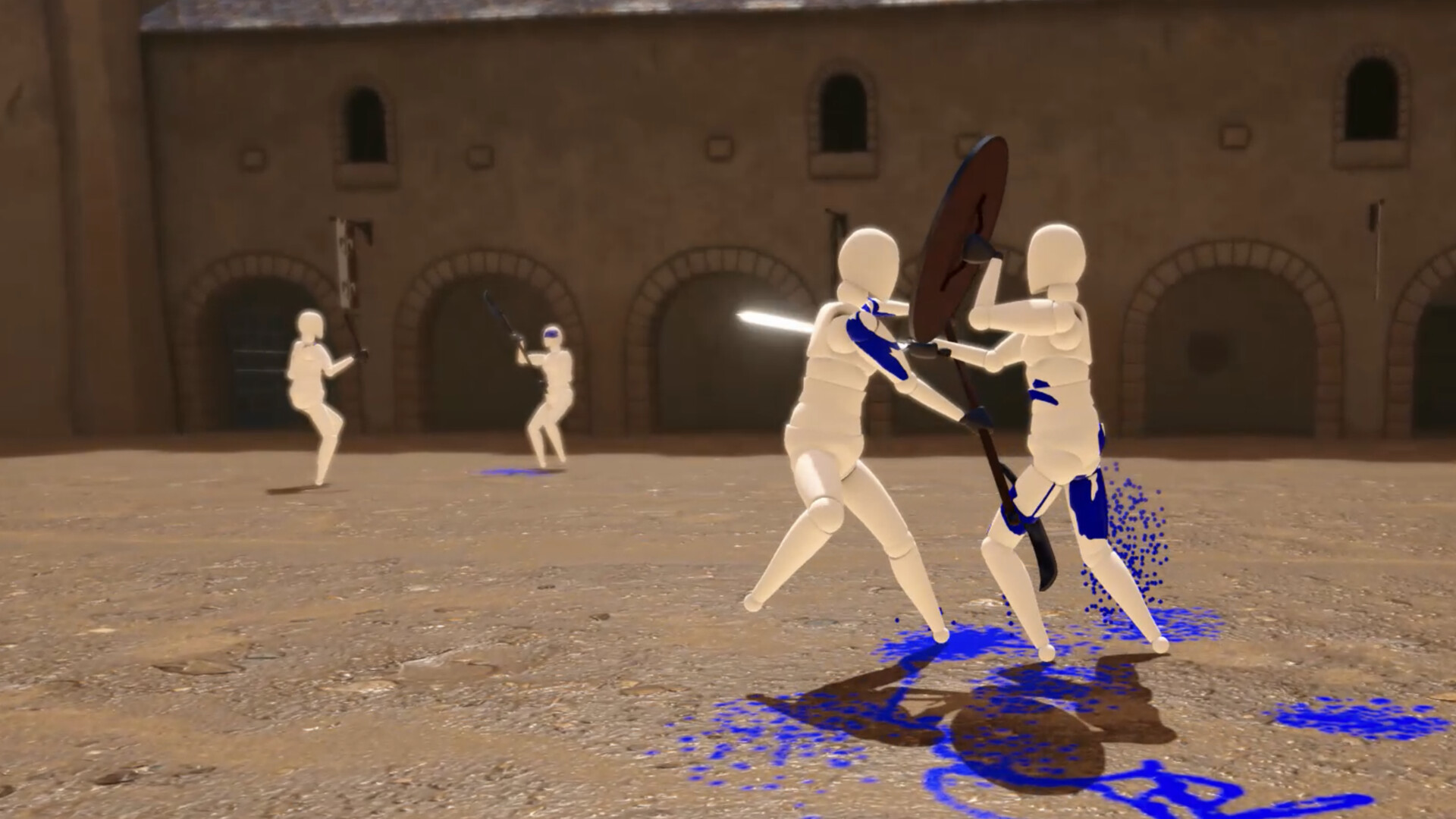
Gladio Mori’s arsenal is large on purpose: roughly 34 weapons, unarmed, and three shields, each with a stock moveset you can keep, edit, or replace from the community gallery. This page ranks that roster for 1.0 play on Steam, PlayStation 5, and Xbox with cross-play lobbies up to four fighters.
There is no HP bar to farm. You win by cutting muscles, opening arteries, or piercing vitals, while plate can nullify a pretty slash. That changes the tier math. Reach and tip control matter more than raw “damage,” blunt and spike tools rise against armored builds, and short blades climb when you can thread gaps. Cross-check armor builds and the damage reference while you read.
Return to the Tier List Hub for the overview, or jump to Getting Started if you still need basic arena habits.
Ranking criteria
| Factor | What we measure |
|---|---|
| Reach | Tip length, bind range, and how safely you can threaten without eating a counter |
| Speed | Recovery, chain potential, and how quickly you can retarget a gap |
| Armor pierce | Thrusts, spikes, and blunt impact that still matter against plate |
| Learning curve | Stock moveset clarity vs needing the move editor to become real |
Placements assume competent timing in online arenas. Campaign point caps can demote heavy kits; we call those cases out.
S tier — meta defining
Spear — Best default answer to “I need space.” Long tip control lets you poke arteries and soft tissue before shorter weapons close. Excellent teaching tool for aim and spacing; still lethal in skilled lobbies.
Halberd — Reach plus mixed cut/spike options. Punishes players who rush with short blades and rewards disciplined measure. Point cost is high, so campaign Hard may refuse it—arena S remains deserved.
Pollaxe — The armored-meta Swiss army knife. Axe head, hammer face, and spike mean you can cut cloth, smash plate, and finish with a thrust when a gap opens. High skill ceiling, high payoff.
Lucerne Hammer — Blunt authority with a spike for follow-through. When lobbies stack plate, Lucerne stops being a meme and becomes the cleanest way to make armor matter less. Pair with patience; whiffs are expensive.
Rapier — Precision thruster for vitals and artery lanes. Low forgiveness if you miss, but unmatched at ending fights the moment a neck or torso gap appears. Ideal for players who already understand the damage system.
Gladius (+ Scutum option) — Short, honest, and achievement-famous (I’m Spartacus). With a shield in play you control tempo, bait swings, and stab through openings. Stock kit is already strong; custom movesets push it further.
A tier — excellent in the right hands
Longsword — Balanced cut and thrust with a fair learning curve. Great “main” while you learn armor gaps. Not as oppressive as spear measure or Lucerne blunt, but rarely a bad pick.
Katana — Fast cutting lines and strong community identity (Sword Saint achievement territory). Shines against light armor; must work harder for plate. Editor players elevate it quickly.
Guandao — Polearm presence with sweeping cuts. Slightly less “meta Swiss” than Pollaxe, still a terror when you keep opponents at tip range.
Daneaxe / Bardiche / Falx — Big cutting arcs that delete unarmored limbs and punish bad spacing. Against full plate they need setup or help from blunt teammates in free-for-alls.
Goedendag — Spiked club energy: approachable blunt pressure without Lucerne’s full toolkit. Strong A when you value simplicity over versatility.
B tier — solid, situational, or costly
Zweihander — Huge presence and intimidation, brutal when it lands. Point cost and recovery keep it out of S for most players; masters still delete rooms.
Battle Axe / Kilij — Respectable cutters with shorter effective control than the A-tier poles and long blades. Fine secondaries and campaign companions.
Mallet / Kanabo — Pure blunt fantasy. Excellent teaching tools for “hit the plate until something gives,” weaker when opponents stay at spear distance. Commit to closing or lose the lane.
Daggers / Katar — Extreme close range, high skill. Fantastic at finishing after a bind or in grappling-heavy custom sets; poor as your only plan against disciplined reach. Point quirks (especially dual setups) also punish campaign caps.
Shield-heavy sword kits — Large shields buy time and create stab windows. They drop a tier when opponents bring hooks, wraps, or blunt that ignores your comfort zone—still very viable.
C tier — niche, meme, or homework
Unarmed — Fully supported and glorious in highlight clips. Without a dedicated moveset and armor plan, you donate limbs. Treat as a specialist lane, not a beginner climb.
Ultra-short or novelty setups without editor work — Fun in private lobbies, inconsistent in mixed-skill cross-play. Graduate them upward only after you can land artery and vital hits on demand.
If a friend swears a C weapon is secretly S, ask whether they are using a viral community moveset. That is expected—Gladio Mori’s editor is part of the balance conversation. Browse creators on the Players Hub and study move editor habits before you rewrite your main.
Shields and hand count
You can fight two-handed, weapon + shield, or empty-handed. Scutum-style large shields excel at eating a commit and answering with a short blade. Small shields are lighter on points and pair with faster sidearms. Two-handed poles and greatswords trade that safety for measure and power.
Achievement hunting without ruining your win rate
Weapon-kill achievements (Gladius, Katana, and friends) are a great excuse to rotate the roster. Use campaign or casual lobbies to farm, then return to your S/A main for ranked-feeling stacks. Check Updates when new weapons arrive so you know which achievements and kits were added post-launch.
Practical loadout advice
- Pick a reach plan (pole/spear) or a gap plan (rapier/gladius) before you pick cosmetics.
- If the lobby is armored, bring blunt or spike—do not stubbornly slash plate.
- Spend leftover points on armor pieces that cover the lanes your weapon cannot protect; see armor tier.
- Record a loss with the replay tools, then fix the moveset instead of blaming the weapon label.
Meta will shift when Plebeian Studio ships more weapons and arenas on the roadmap. Until then, master measure, aim for anatomy, and let physics do the bragging.
Frequently Asked Questions
Quick answers to the most common Gladio Mori questions.
What is the best Gladio Mori weapon for beginners?
Spear or Longsword. Both teach spacing and aim without demanding perfect gap hunting on day one. Move to Rapier, Pollaxe, or Lucerne once you can consistently hit arteries and weak points.
How do I beat full plate armor?
Stop relying on pure cuts. Use blunt faces, spikes, thrusts into gaps, and dismemberment setups. Pollaxe and Lucerne Hammer are the clearest stock answers; custom movesets that target joints also work.
Are community movesets allowed in these tiers?
Yes, but we separate stock strength from editor-boosted strength. A weapon can sit in B on defaults and play like A with a strong gallery set.
Does unarmed ever compete with weapons?
In expert hands with a dedicated moveset, unarmed creates wild highlight finishes. For consistent 1.0 lobby results, treat it as niche until your fundamentals are solid.